ATTIC VENTILATION IN WESTERN NEW YORK: PREPARE YOUR ROOF FOR WINTER

Many property owners believe that a roof ventilation system is only useful during the heat of July. However, maintaining a balanced attic ventilation system is equally critical as temperatures drop, allowing moisture to escape while helping protect the roof structure from moisture damage.
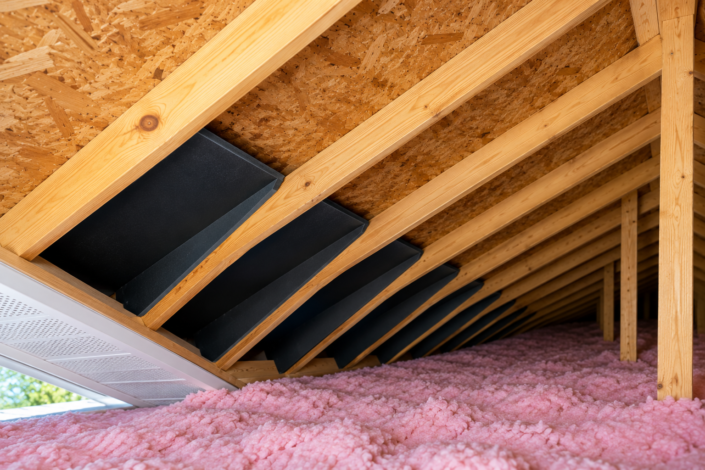
As temperatures drop across Buffalo and Lockport, and Western New York, homeowners should make sure their roofs and attics are ready for winter. Proper attic ventilation helps regulate airflow, manage moisture, and maintain a healthier roof system throughout the colder months. When combined with adequate attic insulation and air sealing, a balanced roof ventilation system can help reduce conditions that contribute to ice dams, condensation, and moisture damage. Before winter arrives, checking your attic ventilation is an important step toward protecting your roof and home.
DID YOU KNOW?
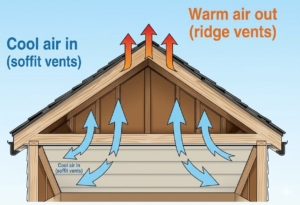
A properly designed attic ventilation system helps outdoor air enter through soffit vents and allows warmer, moist air to escape through upper roof vents, such as ridge, vents. This airflow helps manage attic moisture and maintain more consistent roof temperatures during winter. Combined with proper insulation and air sealing, balanced attic ventilation can help reduce he risk of ie dams and premature roof shingle deterioration.
What Happens When You Have Poor Attic Ventilation?
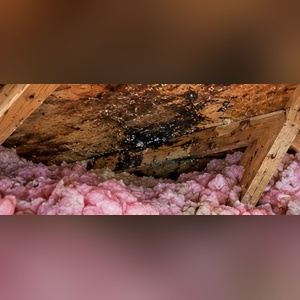
Poor attic ventilation can contribute to excess moisture, condensation, and uneven roof temperatures. When warm air escapes from living spaces into a cold attic, moisture can condense on roof sheathing and other surfaces. Heat escaping into the attic can also contribute to snow melting on the roof and refreezing near the eaves, creating ice dams.
For homeowners in Western New York, these issues can lead to water leaks, damaged insulation, wood deterioration, and costly roof repairs if left unaddressed. Checking your attic moisture, inspecting ventilation openings, and addressing insulation and air leaks can help prepare your roof for winter.
SOFFITS VENTS (THE INTAKE)
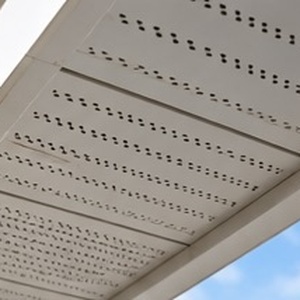
Soffits vents allow cooler outdoor air to enter the attic near the roof’s lower edges. Keeping these vents clear helps maintain airflow through the attic. Insulation should not block the ventilation openings.
RIDGE VENTS (THE EXHAUST)
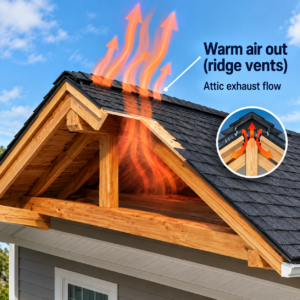
Ridge vents allow air to escape near the roof’s peak. When properly designed and paired with adequate intake ventilation, they help support continuous airflow through the attic. The right ventilation set up depends on your roof design and the existing vent system.
WATCH OUT FOR SEVERE ATTIC MOISTURE PROBLEMS
Poor attic ventilation can contribute to moisture buildup, condensation, and damage to roofing materials. Homeowners should watch for these common warning signs:
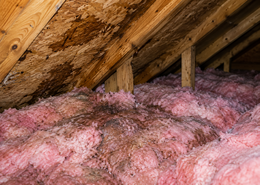
DAMP ATTIC INSULATION
Wet or compressed insulation may indicate moisture intrusion or condensation.
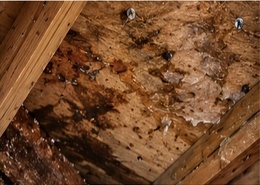
ATTIC CONDENSATION
Water droplets on roof sheathing or rafters can signal excess moisture and inadequate ventilation.
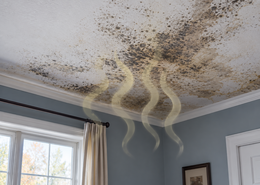
MUSTY ODORS
Persistent musty smells may indicate damp materials or possible mold growth.
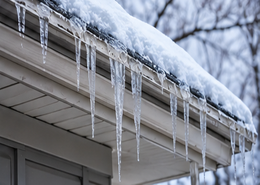
ROOF MOISTURE PROBLEMS
Ice dams, icicles, and winter moisture issues can have several causes, including heat loss and ventilation problems.
SCHEDULE AN ATTIC VENTILATION INSPECTION BEFORE WINTER
Preparing your attic before freezing temperatures arrive can help protect your roof from moisture-related problems and winter weather damage. Proper attic ventilation, adequate insulation, and effective air sealing all play important roles in maintaining a healthy roof system.
If you’re concerned about attic ventilation, moisture buildup, or ice dams, Bors Pros Construction Inc. can help you understand what your roof may need. Contact our team today to discuss your roofing concerns and request a free estimate!